
Practical Buyer Guide
Liste de contrôle d'achat de palettes en plastique
Prepare a model specific pallet specification covering dimensions, handling equipment and the intended load conditions.
Describe The Handling Application
A pallet inquiry should start with the goods, the way the load is distributed and how the pallet will be moved or stored. Include the load dimensions, handling route and equipment rather than asking only for a general weight rating.
Identify any contact with conveyors, automated systems or racks during the intended use. These details affect which dimensions and construction need to be reviewed.
Confirm Dimensions And Equipment Fit
Record the pallet length, width and height together with the goods footprint. Check fork entry openings and the equipment that will handle the pallet. For automated systems, provide the equipment requirements and dimensional acceptance limits.
Use the exact model and size as the reference. Where a model has several sizes or weights, ask the supplier to identify which specification the quotation covers.
Keep Load Conditions Separate
Ask the supplier to identify the intended load condition behind each stated rating and provide the relevant test information. Storage on a supported floor, movement by equipment and storage on racks should not be treated as the same condition.
Provide the load distribution, support arrangement, environment and equipment details needed for review. Do not infer rack suitability from a general catalogue load figure or a photograph of the product.
Confirm The Intended Use
For rack, automated or other demanding applications, obtain approval for the exact pallet specification and operating conditions before placing the order.
Review Structure And Material
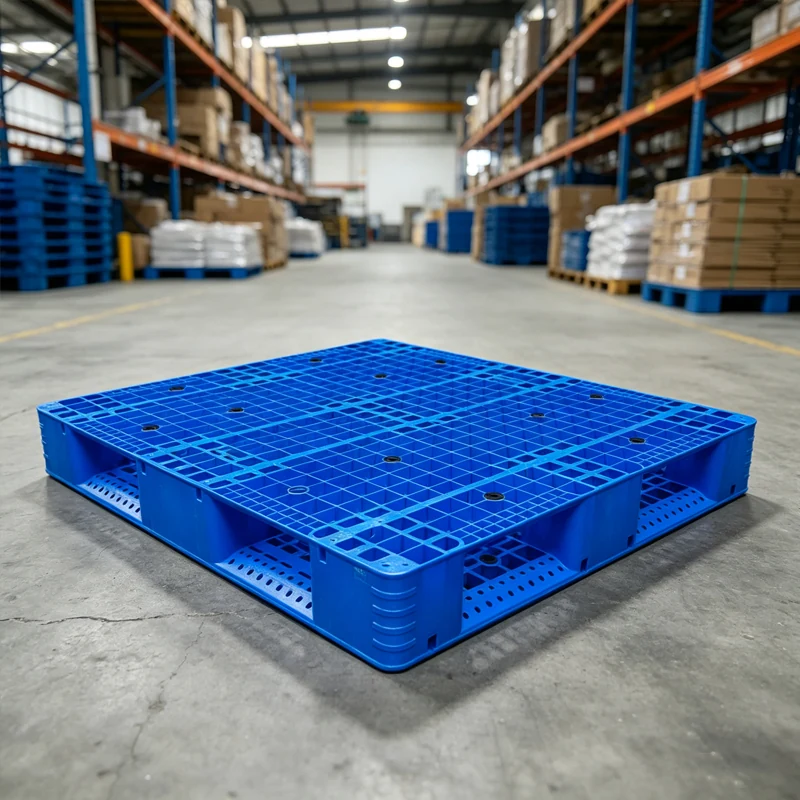
Compare the deck surface, openings, feet or runners and the way empty pallets are stored. A grid deck, a solid deck and a nesting structure offer different physical arrangements; select them against the handling and cleaning requirements of the application.
Record the material and color stated for the model. If a particular material composition, temperature range or hygiene requirement matters, include it explicitly in the specification and request the supporting information.
Build The Purchase Specification
| Specification Area | Information To Confirm |
|---|---|
| Model And Size | Exact model, length, width, height and weight |
| Load And Support | Goods, load distribution, handling and storage conditions |
| Equipment | Forklift, pallet truck, rack, conveyor or automated system requirements |
| Material And Surface | Material, deck type, color and any application requirements |
| Packing And Quantity | Order mix, packing configuration and receiving information |
| Validation | Sample review, relevant test information and acceptance points |
Share this specification with the quotation request and retain the agreed version with the order. It helps prevent a different size, structure or load condition from being substituted during the purchasing process.
Continue Reading
More Practical Buying Guides
Tell Us What Your Next Order Needs
Share your product models, quantities and destination so we can discuss a practical sourcing plan.